About
The show was started and launched in July 2019.
This podcast explores the psychology portrayals in film. We discuss the accuracy, implications, consequences among audiences, and trivia of the films. We occasionally insert periodic teaching examples or discussion questions so instructors of psychology can use the podcast episodes or parts of episodes in their courses.
We explore all film genres and all subdisciplines of psychological science.
Where psychology meets film!
Creator/Producer/Editor/Host
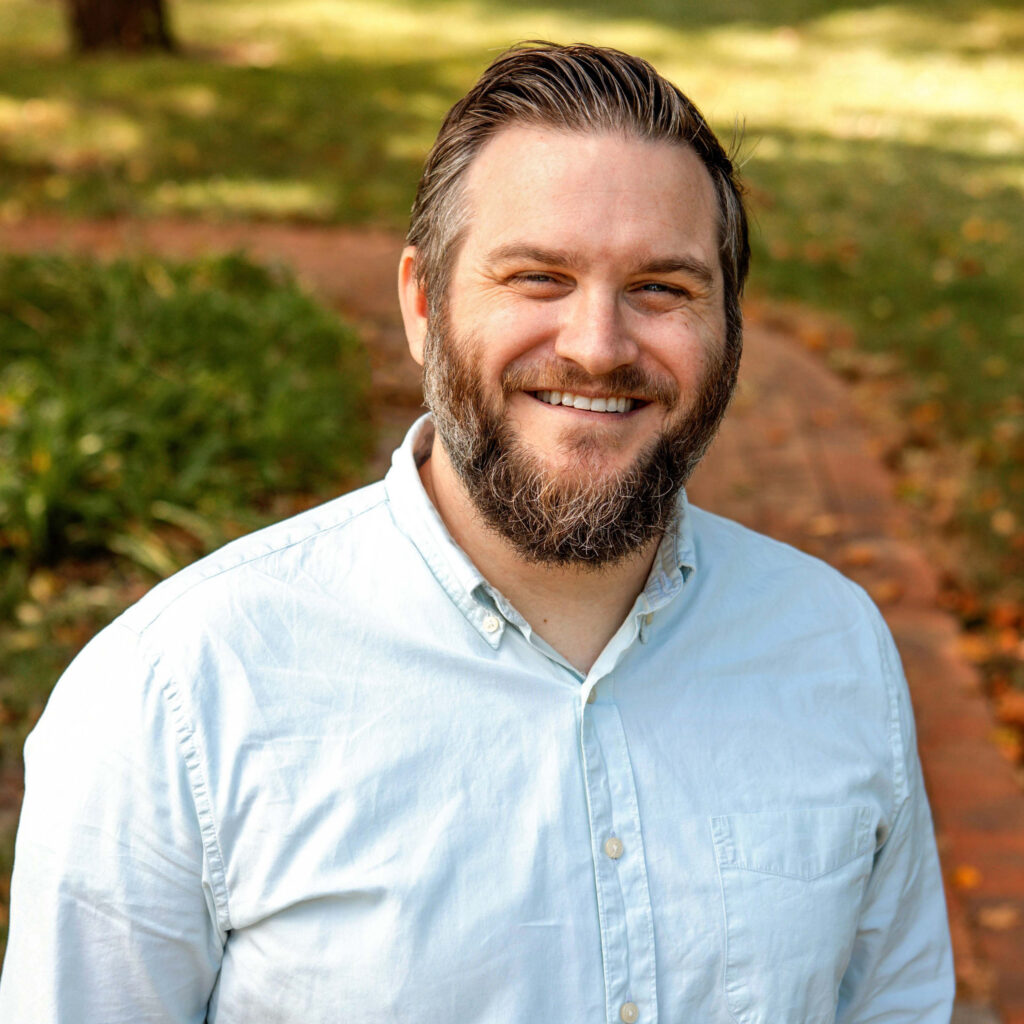
Dr. Alex Swan
Hi there! I’m an associate professor of psychology at Eureka College. I started this podcast because I love all things psychology and film — why wouldn’t I want to just sit and chat with friends and colleagues about these two things?
I’m based in Peoria, Illinois and record episodes remotely in my basement office. I am married to Astrid, and we have Ollie and Ellie as human children, as well as Murphy and Chloe, our dog children.
Frequent Contributors (Appearing in 3+ Episodes)

Dr. Wind Goodfriend
Appeared in episodes discussing A Clockwork Orange (1971), Elf (2003), Joker (2019), Rocky Horror Picture Show (1975), Remember the Titans (2000), The Color Purple (1985), Gaslight (1944)
Hello CinemaPsych fans! I’m a full professor of psychology at Buena Vista University in Storm Lake, Iowa. I love the combination of psychology and popular culture, so I’m honored to be a repeat guest on this fun podcast. My areas of research are (1) stigma for gender/sexual minorities and (2) prevention of relationship violence. I also firmly believe that every movie is about psychology.
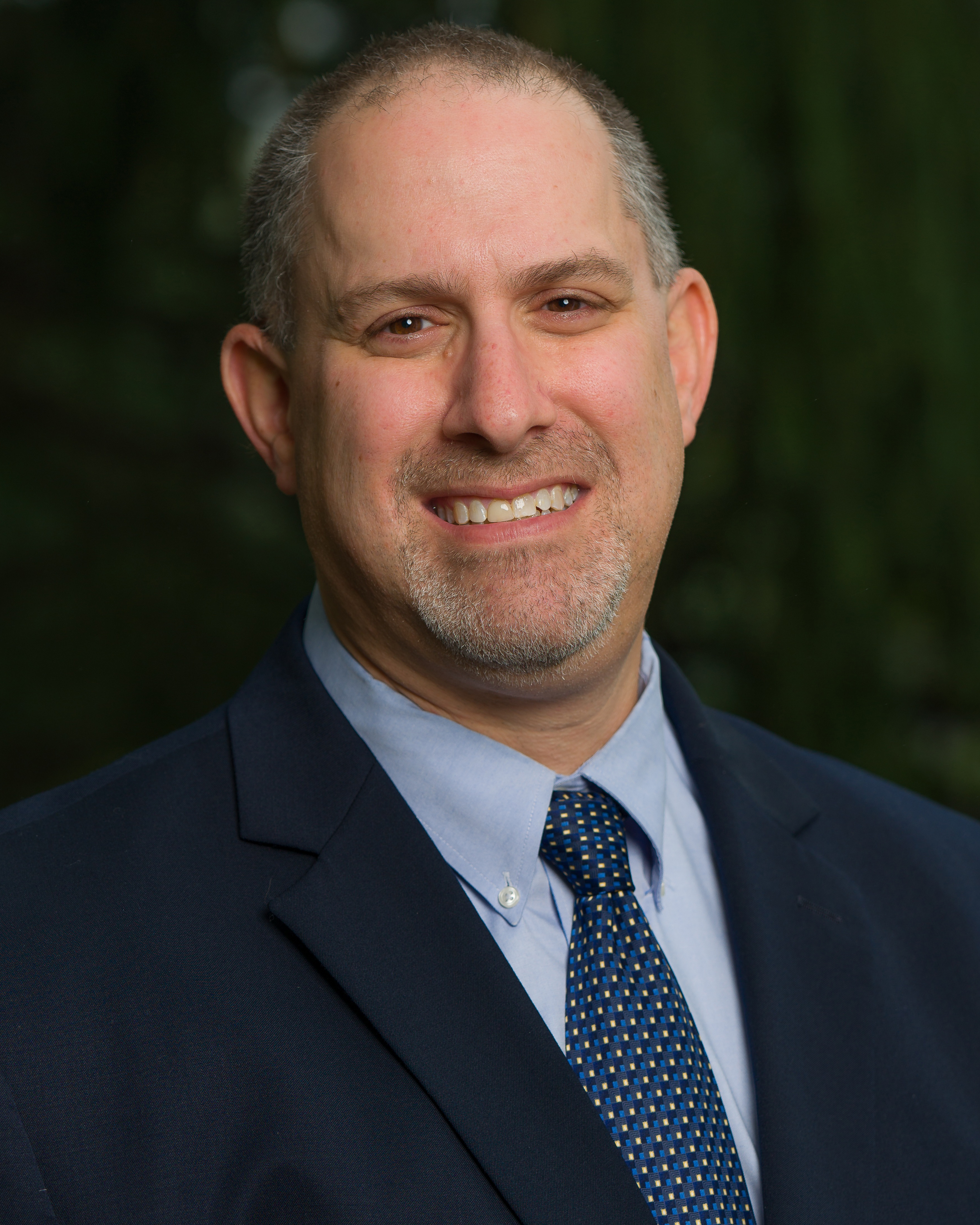
Jason Spiegelman
Appeared in episodes discussing Inception (2010), A River Runs Through It (1992), 12 Angry Men (1957/1997), Inglourious Basterds (2009), Pulp Fiction (1994), Ocean’s Eleven (2001)
Greetings. I’m an associate professor of psychology at the Community College of Baltimore County. I like to use films and film scenes in the teaching of psycyhology because they provide a fantastic analogue for real life situations. Students can relate to them, and are often very receptive to breaking down film scenes to find the psychology in them. Giving them the opportunity to hear me (and others) do it with Alex on the CinemaPsych podcast has been very rewarding to them over the past several years.

Dr. Jordan Wagge
Appeared in episodes discussing Eternal Sunshine of the Spotless Mind (2004), 12 Angry Men (1957/1997), What About Bob? (1991), Bridget Jones’s Diary (2001), Groundhog Day (1993), Jaws (1975)
Hi friends and fans of CinemaPsych! I’m a full professor of psychology at Avila University in Kansas City, MO, where I run the Replication and Open Science Education (R.O.S.E.) Lab. I’m a huge fan of using film (and really all sorts of art) when teaching about psychology, because the more connections we can make, the more we understand and remember.

Dr. Anthony Zoccollilo
Appeared in episodes discussing Contagion (2011), Rain Man (1988), Born on the Fourth of July (1989), Twister (1996), Twisters (2024)
Fondest greetings to the CinemaPsych Podcast Universe. I am currently a Senior Teaching Professor at Texas A&M University in beautiful Corpus Christi, TX. One of my favorite things that I get to do is talk about the intersection of psychology and film. I regularly get to enthrall my students with a Psychology and Film course, but about once a year, I get to have a conversation with Alex from his basement about a thoughtfully curated topic that endlessly entertains me both in researching it and in recording with him. I am deeply indebted to Alex and each of his weekly co-hosts for enlightening and entertaining me. Not to mention, providing content that ultimately influences my teaching. I am the Quentin Tarantino of the CPPU — I steal from every episode ever recorded.

Dr. Ed Hansen
Appeared in episodes discussing Office Space (1999), Thank You for Smoking (2005), Good Will Hunting (1997), The Holdovers (2023)
I’ve always loved the movies. Movies aren’t just an escape though. They are a great way to examine, in a relatively short period of time, someone else’s way of looking at the world and what they have to say about it. What a great tool for exploring psychological concepts in a classroom! The book might usually be better, but film is still my favorite art form, and I love finding ways to incorporate movies in my classes at Florida State University whenever I can. It’s been a blast contributing to CinemaPsych with Alex, and I hope my episodes have given other instructors some ideas for their own classes.

Dr. Marc Klippenstine
Appeared in episodes discussing Cast Away (2000), Red Dragon (2002), The Big Year (2011)
Psychology is my passion and exploring how we can use our understanding of psychology to grow as both people and a society is what I go to work for every day at East Central University in Ada, Oklahoma. I am proud to be part of the CinemaPsych endeavor to capture the link between psychology and film — it is a great way to connect the human experience with the psychology that underlies that experience.